
Elk Hunting Thermals: How to Hunt Mountain Thermals
By Jake Roberts, retired Green Beret and founder of Wayward Ridge
Elk country follows the same thermal pattern as whitetail country, but on a bigger scale. The mountains have more relief and bigger swings in temperature. That makes the air move harder. It sinks early, rises once the sun warms the slopes, and sinks again in the evening.
An elk's nose ends more stalks than anything else. In the mountains, thermals often matter as much as the wind. On calm days they matter more.
Mountain thermals: above or below elk
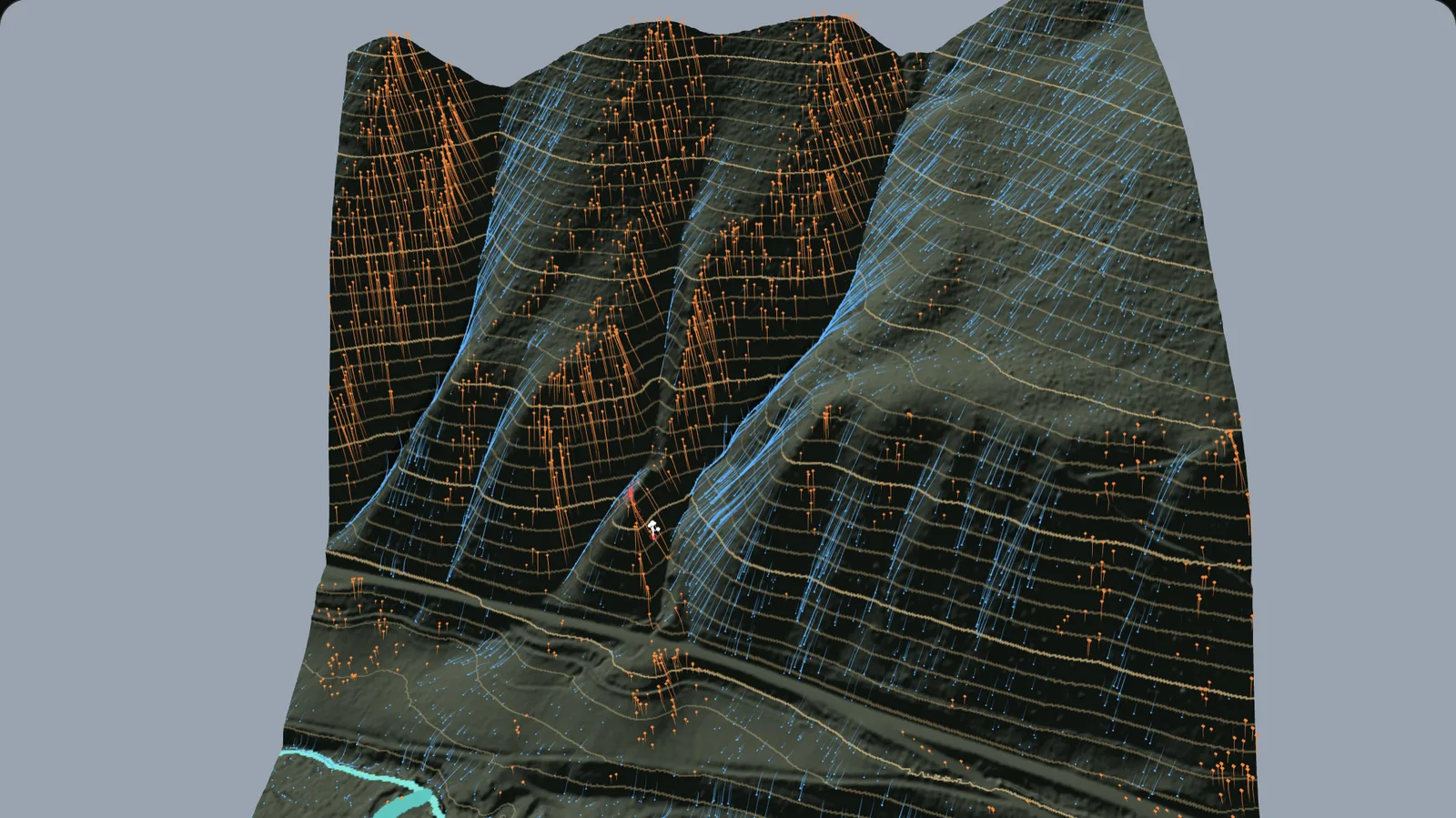
The basic rule is simple. When the air is rising, stay above the elk. When the air is sinking, stay below them.
Timing is the hard part. The air does not switch everywhere at once. It switches one slope at a time as the sun reaches each one. While it switches, it swirls. A stalk that starts with good air can end with scent drifting to the herd.
Elk thermals in the morning
Before the sun hits, cool air drains down the mountain. Coming at elk from below keeps scent moving away from them.
Once sun reaches the slope, the air starts to lift. Scent goes uphill with it. South faces switch first and strongest. North-facing timber can hold sinking air well into the morning.
Elk thermals at midday
Elk often bed in cool, shaded timber. Rising air lets them wind anything coming from below. Midday is usually the best time to get above them. Air on open south faces rises the strongest at this time.
Elk thermals in the evening
As slopes go into shade, the air starts to sink again. Scent heads downhill. Come from below, or wait until the switch is done. The east side of a drainage goes into shade first, so it switches before the west side.
How slope direction changes thermals
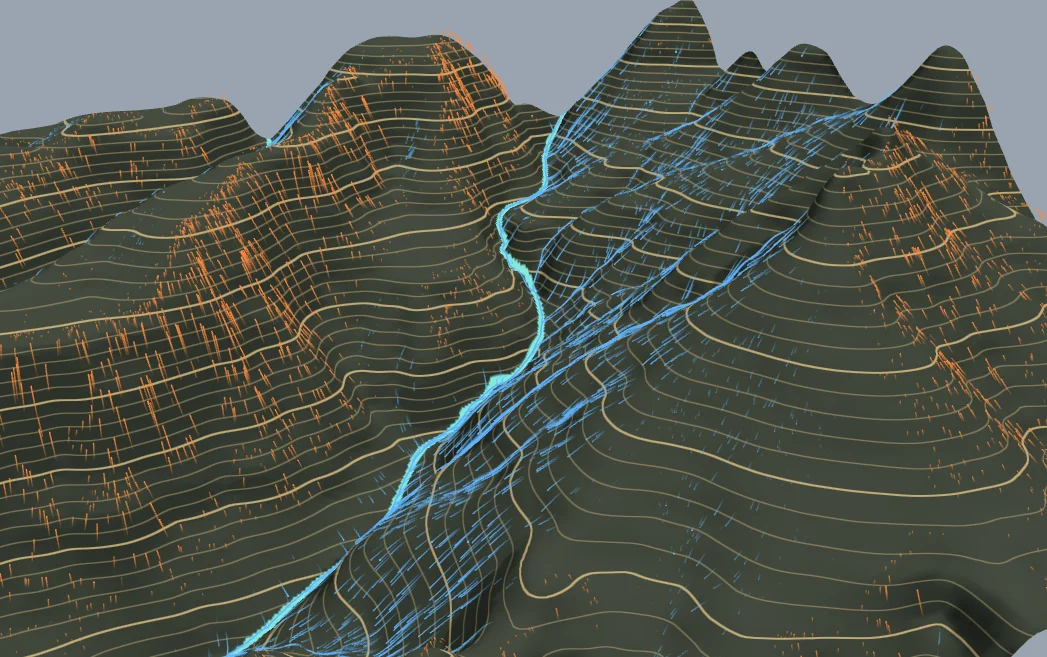
A south face in full sun and a north face in shade do not run on the same clock. One side of a drainage can have rising air while the other has sinking air at the same hour. Plan a stalk around which side will be in sun during the approach, not around one wind reading at the trailhead.
Thermals and elk calling
A bull that circles downwind of a call is using the air to check it out. Before setting up, think about where scent will be when he gets there. Place the caller where the air carries scent away from the path he is likely to take.
Seeing elk thermals before the hike
Thermal Lab Pro estimates rising and sinking air on real mountain terrain, minute by minute. It uses sun angle, shade, timber, cloud cover and wind. It shows which faces are likely lifting and which are draining at any minute of the day.


FAQ
Do thermals go up or down in the morning in the mountains?
Down, until sun reaches the slope. Then they go up. Shaded north faces can keep draining for hours after sunrise.
Should I hunt above or below elk?
Above them when the air is rising, usually midday on sunny slopes. Below them when it is sinking, early and late.
When are thermals most risky on an elk hunt?
During the morning and evening switch. The air swirls while it changes, so scent can go in any direction.
Are mountain thermals stronger than wind?
On calm and light-wind days they usually control scent. Strong wind bends them but rarely wipes them out.
Estimates only. Always confirm conditions in the field.