
Stand and Saddle Height: Does Getting Higher Beat Thermals?
By Jake Roberts, retired Green Beret and founder of Wayward Ridge
Height helps. Scent starts above the deer and has farther to travel before it reaches them. Height does not remove thermals, though. Scent released at 20 or 25 feet still comes down somewhere. The air on the slope decides where.
What tree stand height does
Air near the ground gets slowed and turned by brush, logs and terrain. Higher up, it moves more freely and mixes more. Scent that starts higher spreads out more before it settles. It may carry past deer that are close to the tree.
That helps, mostly on close shots. It is not a guarantee.
Why thermals still matter at height
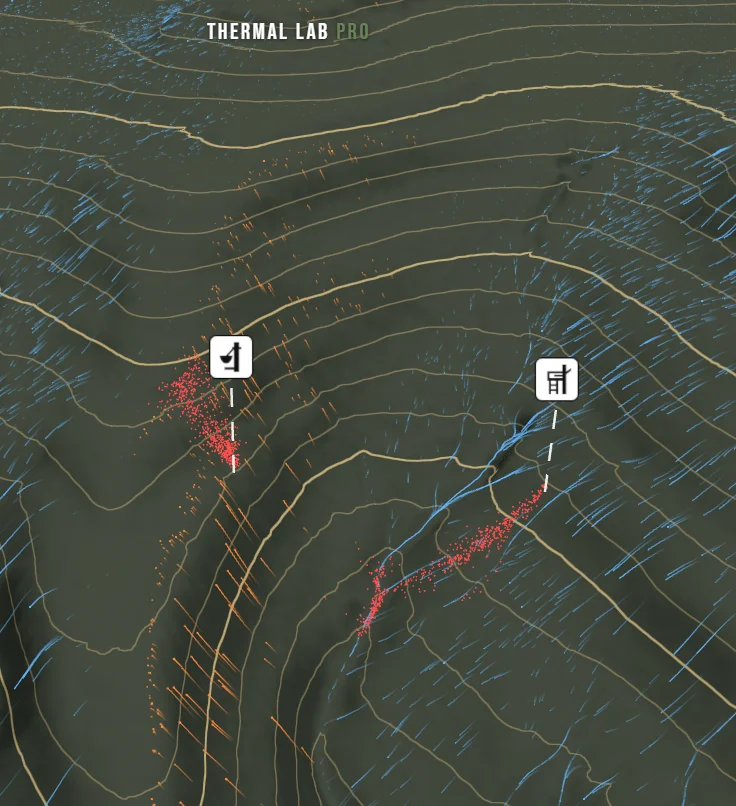
Sinking air pulls scent down. Early and late, cool air sinks and slides downhill. Scent from up high gets carried down the slope with it. It reaches the ground farther from the tree, often in the bottom or on the trail deer were expected to use.
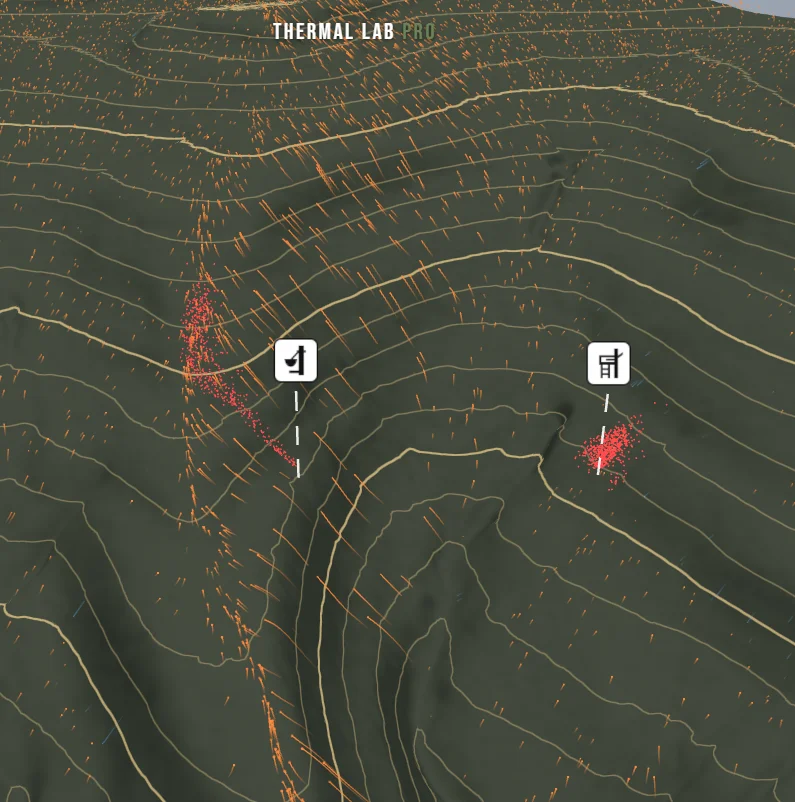
Rising air lifts scent. Once the sun warms the slope, rising air carries scent up and away. That helps when deer are below the stand. It hurts when they bed above it.
The switch scatters scent. While the air changes, scent from any height can go anywhere for a while.
Saddle hunting and thermals
Saddles make it easy to hunt from more trees and move often. That is a big help when playing thermals. The same rules still apply. A saddle hunter 20 feet up on the downhill side of a tree in the evening still has scent in sinking air headed for the bottom. Being mobile helps most when it is used to pick the tree where the air works for that sit.
Ground blinds, glassing spots and thermals
On the ground, thermals matter even more. There is no height to add distance. The slope and the time of day do almost all the work. Elk hunters glassing from a point face the same thing while they wait.
Picking a tree with thermals in mind
- Decide if it is a morning or evening sit. The air moves opposite ways.
- Work out where sinking air will carry scent from that tree, and if deer will cross it.
- For mornings, know about when the sun reaches the spot and the air lifts.
- Go as high as is safe. Do not count on height alone to fix a bad setup.
Seeing where scent lands
Thermal Lab Pro places a stand, blind or glassing spot on real terrain and estimates where scent goes at any minute of the day. It can compare two trees before anything gets hung.


FAQ
Does a higher tree stand keep deer from winding you?
It helps, but it does not stop it. Thermals still carry scent from 20 or 25 feet back down to the ground, just farther from the tree.
How high should a tree stand be for scent control?
No height beats thermals. Hunt as high as is safe, and pick the tree based on where the air will carry scent.
Is saddle hunting better for thermals?
Saddles make it easy to move to the right tree for each sit. The thermal rules are the same as any stand.
Do thermals matter more in a ground blind?
Yes. With no height to help, the slope and time of day decide almost everything about where scent goes.
Estimates only. Always confirm conditions in the field.